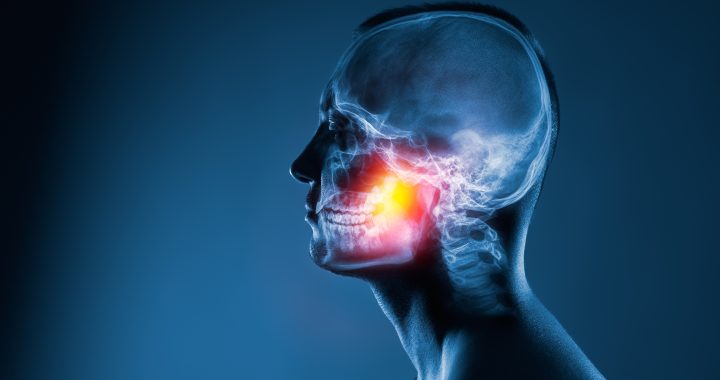
Temporomandibular Joint (TMJ) disorders refer to a group of conditions that affect the jaw joint and surrounding muscles. These disorders can lead to pain, discomfort, and limited jaw movement. Sometimes, in mild cases, we just have a ‘click/pop’ when we move our jaw. Understanding the causes and seeking appropriate relief measures are essential for managing TMJ disorders.
Most TMJ disorders are not too serious, just an ongoing inconvenience. If the disorder appears to be getting worse you should consult the dentist. If the disorder is mild, we might try a few exercises at home.
Causes of TMJ Disorders:
Bad Chewing Habits: Most TMJ is caused by us always chewing on same side of our mouth. Right handed people tend to chew on the right, left handed people on the left. If we teach ourselves to chew on the other side of the mouth the TMJ will often subside over the course of a few months.
Jaw Trauma or Injury: Direct impact or trauma to the jaw area, such as from a car accident or a blow to the face, can lead to TMJ disorders.
Teeth Grinding (Bruxism): Clenching or grinding the teeth,() especially during sleep, can put excessive pressure on the TMJ, leading to disorders.
Arthritis: Various forms of arthritis, including osteoarthritis and rheumatoid arthritis, can affect the TMJ, causing pain and dysfunction.
Misaligned Bite (Malocclusion): Irregularities in the alignment of the teeth or jaw can put stress on the TMJ, leading to disorders over time.
Stress and Anxiety: Tension in the jaw muscles due to stress can contribute to the development of TMJ disorders.
Chronic Teeth Clenching: Habitual clenching of the jaw, whether due to stress or other reasons, can strain the TMJ.
Symptoms of TMJ Disorders:
Jaw Pain: Often localized near the ear, jaw pain is a common symptom of TMJ disorders.
Difficulty Chewing or Biting: Discomfort or pain while eating can be indicative of TMJ dysfunction.
Clicking or Popping Sounds: Audible noises when moving the jaw, which may be accompanied by pain.
Locking of the Jaw: In severe cases, the jaw may temporarily lock in an open or closed position.
Headaches or Migraines: TMJ disorders can lead to tension headaches, often felt around the temples.
Ear Pain or Ringing (Tinnitus): TMJ dysfunction can radiate pain to the ears or cause ringing sensations.
Finding Relief for TMJ Disorders:
Self-Care and Lifestyle Changes:
If the TMJ is caused by bad chewing habits, then we can teach ourselves to chew on the opposite side of the mouth. Over the course of a few months the problem should disappear.
Practices like stress management techniques, jaw relaxation exercises, and avoiding hard or chewy foods can help alleviate symptoms.
Physical Therapy: A physical therapist can provide exercises and techniques to improve jaw mobility and reduce pain.
Oral Appliances: Custom-made mouthguards or splints can help prevent teeth grinding and clenching, providing relief for the TMJ.
Medications: Pain relievers, muscle relaxants, and anti-inflammatory drugs may be prescribed to manage pain and inflammation.
Heat or Cold Therapy: Applying a warm compress or cold pack to the affected area can help reduce pain and inflammation.
Bite Adjustments: Dental treatments like reshaping of teeth or orthodontic work can help correct malocclusion, relieving TMJ stress.
Surgery (in severe cases): For persistent and severe cases, surgical intervention may be considered as a last resort.
Grace Dental Clinic Camden
While TMJ is usually not too serious we should seek professional evaluation and diagnosis for TMJ disorders to be sure of our situation. A dentist or oral surgeon can give advice or provide tailored treatment options based on the specific condition and its severity..
Information Disclaimer The content of this article is meant for informational purposes only and should not be considered a source of professional advice, recommendations, or endorsements. It is not a substitute for seeking expert guidance or making well-informed decisions based on individual circumstances. Although we strive for accuracy and reliability, we cannot guarantee the information's completeness or suitability for all situations. Readers are urged to verify facts, consult experts, and consider their own context before taking actions or decisions based on this content. No warranties, explicit or implied, are provided regarding the accuracy, timeliness, or completeness of the presented information. Relying on this information is at the reader's own discretion and risk. We encourage readers to consult relevant professionals or experts for advice tailored to their specific needs. Neither the author, publisher, nor any affiliated parties will be held responsible for errors, omissions, or damages resulting from the use or reliance on the information in this article.
Crooked teeth, also known as malocclusion, can affect individuals of all ages, including adults. While orthodontic issues might have been left untreated in childhood, it is never too late to explore options for straightening teeth. This article will discuss various factual options available for adults seeking to address their crooked teeth.
Traditional Braces
Traditional braces consist of metal brackets and wires that are attached to the teeth. They apply continuous pressure, gradually shifting teeth into their desired positions. This option is highly effective for correcting even severe cases of malocclusion.
Pros:
Suitable for complex dental issues.
Can correct a wide range of misalignments.
Often covered by dental insurance.
Cons:
Visible and may affect appearance during treatment.
Adults often feel that visible braces make them look like teenagers.
Requires regular adjustments and maintenance.
May cause discomfort or soreness initially.
Expect to wear braces for 2 years.
Clear Aligners (Invisalign)
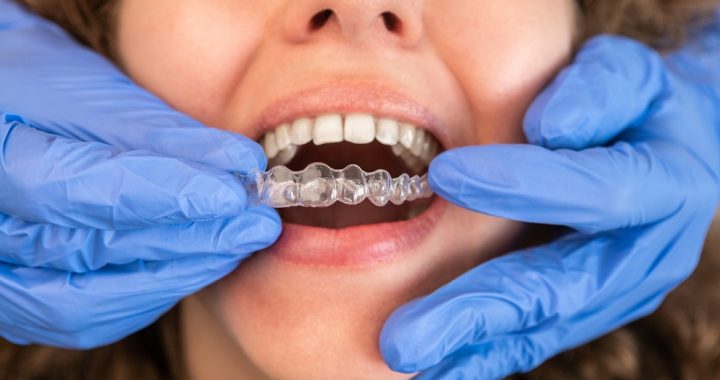
Clear aligners are custom-made, transparent trays that fit over the teeth. They are nearly invisible, making them a popular choice for adults seeking a more discreet orthodontic solution. Invisalign, a well-known brand, uses this technology.
Pros:
Virtually invisible, providing a discreet option.
Removable for eating, brushing, and flossing.
Can be a more comfortable option compared to braces.
Cons:
Not suitable for severe cases of malocclusion.
Requires consistent wear (22 hours per day) for best results.
May be more expensive than traditional braces.
Lingual Braces
Lingual braces function similarly to traditional braces but are attached to the back (lingual) side of the teeth, making them less visible. They are custom-made for each patient.
Pros:
Virtually invisible from the front.
Effective for various types of malocclusion.
Customized for a precise fit.
Cons:
May cause initial discomfort or speech difficulties.
Require regular adjustments and maintenance.
Can be more challenging to clean than traditional braces.
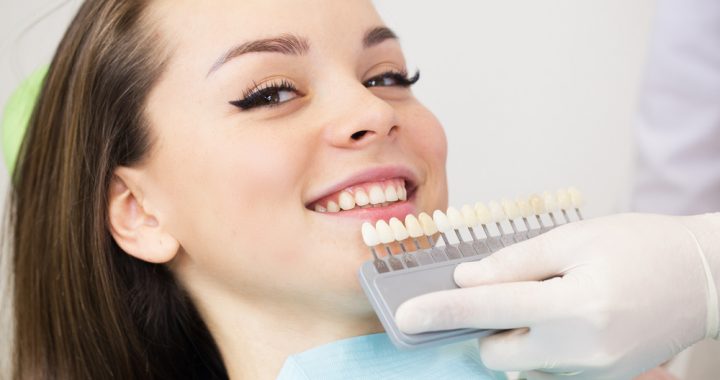
Dental veneers are thin porcelain shells that are custom-made and bonded to the front surface of teeth. While they don’t correct misalignment issues, they can provide the appearance of straight teeth.
Pros:
Provide an immediate improvement in the appearance of teeth.
Can address other cosmetic issues, like discolouration, stains, chips or gaps between teeth.
Less time-consuming compared to orthodontic treatments.
Cons:
Not suitable for cases of severe misalignment.
Irreversible procedure; enamel must be removed for bonding.
May require replacement after a certain period (10-15 years).
Dental crowns are tooth-shaped caps that cover the entire visible portion of a damaged or misaligned tooth. While primarily used for restorative purposes, they can also address mild misalignments.
Pros:
Can improve the appearance of misaligned teeth.
Provide strength and protection to weakened teeth.
Durable and long-lasting.
Cons:
They are more expensive than other options.
Not suitable for significant misalignment issues.
More invasive compared to veneers.
Conclusion Dental Clinic Hoxton Park
Adults with crooked teeth have various options available to them, ranging from traditional braces to more discreet alternatives like clear aligners or lingual braces. Each option has its own set of advantages and considerations, and it’s essential to consult with a qualified orthodontist to determine the best treatment plan based on individual needs and preferences.
Information Disclaimer The content of this article is meant for informational purposes only and should not be considered a source of professional advice, recommendations, or endorsements. It is not a substitute for seeking expert guidance or making well-informed decisions based on individual circumstances. Although we strive for accuracy and reliability, we cannot guarantee the information's completeness or suitability for all situations. Readers are urged to verify facts, consult experts, and consider their own context before taking actions or decisions based on this content. No warranties, explicit or implied, are provided regarding the accuracy, timeliness, or completeness of the presented information. Relying on this information is at the reader's own discretion and risk. We encourage readers to consult relevant professionals or experts for advice tailored to their specific needs. Neither the author, publisher, nor any affiliated parties will be held responsible for errors, omissions, or damages resulting from the use or reliance on the information in this article.
Dental Clinic Hoxton Park – A Guide to Preventive Dentistry
Preventive dentistry is a cornerstone of maintaining optimal oral health and plays a crucial role in preventing dental issues before they become more serious and costly to treat. This guide provides factual insights into the importance of preventive dentistryand practical steps individuals can take to safeguard their oral well-being.
Regular Dental Check-ups:
Frequency: It is recommended to visit the dentist at least twice a year for routine check-ups. These visits allow for the early detection of any potential issues and the implementation of timely interventions.
Professional Dental Cleanings:
Purpose: Regular cleanings performed by a dental hygienist are essential for removing plaque and tartar build-up that cannot be effectively addressed through regular brushing and flossing.
Frequency: Biannual cleanings are generally recommended. However, individuals with specific oral health concerns may require more frequent cleanings.
Oral Examinations:
Comprehensive Assessment: During a check-up, the dentist will perform a thorough examination of the mouth, including an evaluation of teeth, gums, tongue, and soft tissues. This helps in identifying early signs of potential issues.
X-rays and Diagnostic Tests:
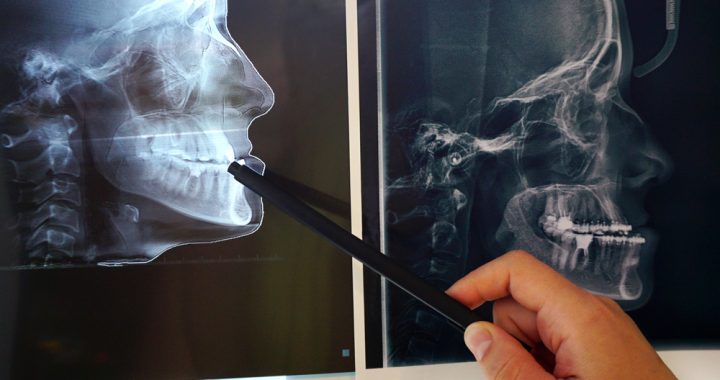
Purpose: X-rays and other diagnostic tests allow dentists to assess areas of the mouth not visible during a routine examination, such as the roots of teeth and jawbone.
Frequency: X-rays are typically taken periodically, depending on individual dental health needs and risk factors.
Fluoride Treatments and Dental Sealants:
Fluoride Treatments: Application of fluoride helps strengthen tooth enamel and makes teeth more resistant to decay.
Dental Sealants: These protective coatings are applied to the chewing surfaces of molars to prevent the accumulation of food particles and bacteria.
Oral Hygiene at Home:
Brushing: Regular brushing, at least twice a day, with fluoride toothpaste helps remove plaque and food particles.
Flossing: Daily flossing cleans between teeth and along the gumline, areas that a toothbrush may not reach effectively.
Dietary Habits:
Limit Sugary Foods and Beverages: Sugary substances contribute to tooth decay. Minimizing their consumption can help maintain oral health.
Avoiding Harmful Habits:
Avoid Smoking and Excessive Alcohol Consumption: Both can have detrimental effects on oral health, including an increased risk of gum disease and oral cancer.
Protective Mouthguards:
For Sports and Bruxism: Custom–fitted mouthguards can protect teeth from injury during sports activities and provide a cushioning effect for those who grind their teeth (bruxism) during sleep.
Dental Clinic Hoxton Park –
Prioritizing preventive dentistry through regular check-ups, professional cleanings, and good oral hygiene practices is essential for maintaining long-term oral health. By taking proactive measures and seeking professional care, individuals can prevent many common dental issues, ensuring a healthy and confident smile for years to come. Remember, early intervention and regular preventive measures are key to preserving optimal oral well-being.
Information Disclaimer The content of this article is meant for informational purposes only and should not be considered a source of professional advice, recommendations, or endorsements. It is not a substitute for seeking expert guidance or making well-informed decisions based on individual circumstances. Although we strive for accuracy and reliability, we cannot guarantee the information's completeness or suitability for all situations. Readers are urged to verify facts, consult experts, and consider their own context before taking actions or decisions based on this content. No warranties, explicit or implied, are provided regarding the accuracy, timeliness, or completeness of the presented information. Relying on this information is at the reader's own discretion and risk. We encourage readers to consult relevant professionals or experts for advice tailored to their specific needs. Neither the author, publisher, nor any affiliated parties will be held responsible for errors, omissions, or damages resulting from the use or reliance on the information in this article.
Cosmetic Dentistry: Enhancing Smiles Through Dental Procedures
Cosmetic dentistry is a specialized field of dentistry that focuses on improving the appearance of a person’s teeth, gums, and overall smile. While cosmetic dentistry, primarily addresses aesthetic concerns, it often involves procedures that can also enhance oral health. Basically, well-functioning healthy teeth tend to be good looking teeth.
Common Cosmetic Dentistry Procedures:
Teeth Whitening: This is one of the most popular cosmetic dental procedures. It involves the use of bleaching agents to remove stains and discoloration, resulting in a brighter, whiter smile.
Dental Veneers: Veneers are thin, custom-made shells that are bonded to the front of teeth to improve their appearance. They can correct issues like chipped, stained, or misaligned teeth.
Dental Bonding: Bonding involves the application of a tooth-coloured resin to repair minor imperfections like small chips, gaps, or discoloration. It’s a less invasive and more cost-effective option than veneers.
Dental Crowns: Crowns are used to cover and protect damaged or severely discoloured teeth. They are often made of porcelain or ceramic to resemble natural teeth.
Orthodontics: –While primarily aimed at correcting misaligned teeth and bite issues, orthodontic treatments like braces or clear aligners can also significantly improve the aesthetics of a smile.
Dental Implants: Implants are used to replace missing teeth. They not only restore function but also enhance the appearance of the smile by filling gaps.
Gum Contouring: Also known as gum reshaping, this procedure involves the removal of excess gum tissue to create a more balanced and visually pleasing gum line.
Smile Makeovers: These are comprehensive treatment plans that may combine several cosmetic procedures to achieve a complete smile transformation.
Benefits of Cosmetic Dentistry:
Improved Self-Confidence: A more attractive smile can boost self-esteem and confidence, leading to a better overall quality of life.
Enhanced Oral Health: Some cosmetic procedures, such as dental crowns and veneers, can also improve the functionality and health of teeth.
Natural-Looking Results: Modern cosmetic dentistry techniques and materials produce results that closely mimic the appearance of natural teeth.
Long-Lasting: Many cosmetic procedures offer long-lasting results, allowing patients to enjoy their improved smiles for years.
Minimally Invasive Options: Some cosmetic treatments, like teeth whitening and bonding, are relatively non-invasive and require minimal alteration to natural teeth.
Considerations:
Consultation: It’s essential to consult with a qualified cosmetic dentist to discuss goals, expectations, and treatment options.
Cost: Cosmetic dentistry procedures vary in cost, and not all may be covered by dental insurance. Patients should be aware of the expenses involved.
Maintenance: Proper oral hygiene helps keep teeth looking their best. Some cosmetic procedures require extra upkeep. Individuals who had braces will need to wear a retainer if there are to keep the teeth straight. Tooth whitening procedures need to be periodically redone.
Cosmetic Dentist Miller
Cosmetic dentistry offers a range of procedures to enhance the appearance of smiles. While primarily focused on aesthetics, these procedures can also contribute to improved oral health and self-confidence. Patients considering cosmetic dentistry should consult with a skilled dentist to explore their options and achieve the smile they desire.
Information Disclaimer The content of this article is meant for informational purposes only and should not be considered a source of professional advice, recommendations, or endorsements. It is not a substitute for seeking expert guidance or making well-informed decisions based on individual circumstances. Although we strive for accuracy and reliability, we cannot guarantee the information's completeness or suitability for all situations. Readers are urged to verify facts, consult experts, and consider their own context before taking actions or decisions based on this content. No warranties, explicit or implied, are provided regarding the accuracy, timeliness, or completeness of the presented information. Relying on this information is at the reader's own discretion and risk. We encourage readers to consult relevant professionals or experts for advice tailored to their specific needs. Neither the author, publisher, nor any affiliated parties will be held responsible for errors, omissions, or damages resulting from the use or reliance on the information in this article.
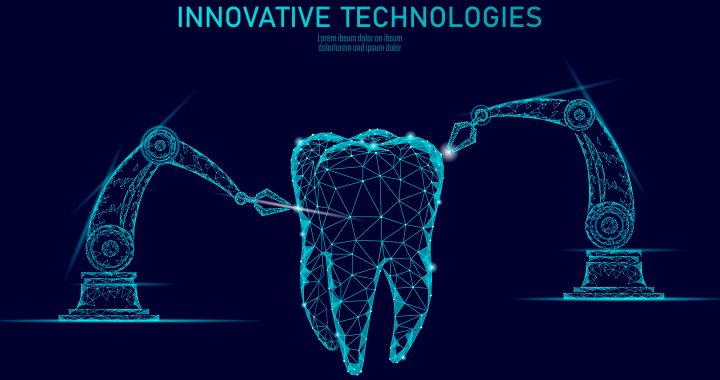
Dentistry, like many other fields, is continuously evolving due to advancements in technology, research breakthroughs, and changing patient expectations. These emerging trends in dentistry are reshaping the way dental professionals deliver care and interact with patients. But of course, we know from past experience that while some trends develop others fade away and are soon forgotten.
Teledentistry:
Teledentistry involves using technology to provide remote dental consultations and treatment planning. It enables dentists to assess patients’ oral health concerns through video calls and provide guidance without requiring an in-person visit. Teledentistry is especially beneficial for triaging emergencies, offering second opinions, and addressing minor issues.
Digital Dentistry:
Digital technology has revolutionized dentistry by streamlining processes and enhancing precision. Digital impressions, CAD/CAM systems, and 3D printing are used to create dental restorations like crowns, bridges, and dentures with remarkable accuracy and efficiency. Digital records and communication tools also improve collaboration between dental teams.
Minimally Invasive Dentistry:
This approach emphasizes preserving as much natural tooth structure as possible while addressing dental issues. Advances in adhesive materials and techniques allow for smaller, more conservative restorations. Techniques like air abrasion and laser dentistry are used for early cavity detection and less invasive treatments.
Biomaterials and Biocompatibility:
Dental materials are undergoing innovative changes to enhance biocompatibility and durability. Biomimetic materials mimic natural tooth structure and function, leading to longer-lasting restorations. Biocompatible materials reduce the risk of allergic reactions and other adverse responses in patients.
Laser Dentistry:
Laser technology is gaining traction in various dental procedures due to its precision and reduced discomfort. Lasers are used in soft tissue treatments, gum reshaping, teeth whitening, and even detecting early signs of cavities.
Personalized Dentistry:
Advancements in genetics and diagnostics have paved the way for personalized dental treatments. Genetic testing can identify susceptibility to certain oral conditions, allowing for tailored preventive strategies and treatment plans based on individual genetic profiles.
Virtual Reality and Sedation Techniques:
Virtual reality (VR) technology is being used to alleviate dental anxiety by distracting patients during procedures. Additionally, advanced sedation techniques help patients remain calm and comfortable, making dental visits more tolerable for those with fear or phobia.
Artificial Intelligence (AI) and Data Analytics:
AI is being employed in dental diagnostics, treatment planning, and patient communication. Data analytics help dentists assess patient trends, identify areas for practice improvement, and make informed decisions about treatment options.
Dental Implant Innovations:
Implant dentistry is evolving with the development of new materials, surfaces, and techniques. Guided implant surgery using digital planning enhances accuracy and reduces procedure time. Implant success rates continue to improve due to these advancements.
Preventive and Wellness Approach:
Dental professionals are increasingly focusing on preventing oral health issues before they develop. They educate patients about the links between oral health and overall well-being, encouraging a proactive approach to dental care.
Eco-Friendly Dentistry:
Sustainability is becoming a concern in dentistry, leading to the adoption of eco-friendly practices. From reducing single-use plastics to implementing energy-efficient technologies, dental practices are making efforts to minimize their environmental footprint.
Nanotechnology in Dentistry:
Nanotechnology involves manipulating materials at the nanoscale for various applications. In dentistry, it’s used to develop stronger and more resistant dental materials, as well as to enhance drug delivery for treatments like remineralization and desensitization.
Grace Dental Clinic Camden
Our Dental clinic near Camden provides modern patient orientated dental care. We want to keep all our clients in the best dental health possible with regular check-ups every six months. We also look after orthodontic work, cosmetic dentistry, and offer a complete range of care.
Information Disclaimer The content of this article is meant for informational purposes only and should not be considered a source of professional advice, recommendations, or endorsements. It is not a substitute for seeking expert guidance or making well-informed decisions based on individual circumstances. Although we strive for accuracy and reliability, we cannot guarantee the information's completeness or suitability for all situations. Readers are urged to verify facts, consult experts, and consider their own context before taking actions or decisions based on this content. No warranties, explicit or implied, are provided regarding the accuracy, timeliness, or completeness of the presented information. Relying on this information is at the reader's own discretion and risk. We encourage readers to consult relevant professionals or experts for advice tailored to their specific needs. Neither the author, publisher, nor any affiliated parties will be held responsible for errors, omissions, or damages resulting from the use or reliance on the information in this article.
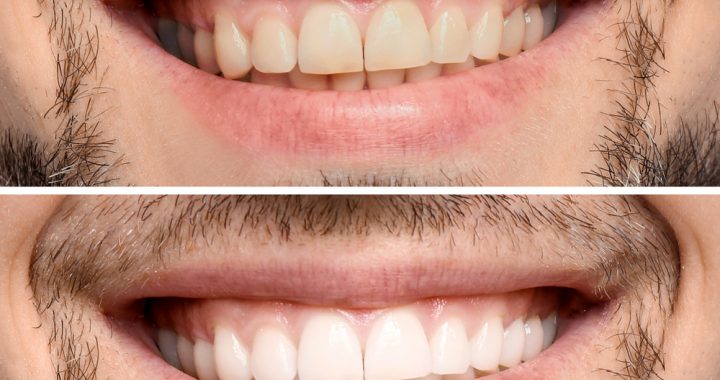
Teeth whitening is a common dental procedure performed by dentists to help lighten the colour of teeth and remove stains or discolouration. There are different methods of professional teeth whitening available.
Very few people have teeth that are naturally white. This is largely a myth created by fashion magazines and Hollywood films. But there is no harm in having the teeth lightened to a bright white, providing they are reasonably healthy before the procedure. Ideally, we should have teeth lightened to suit our completion. If the teeth are too white it can look unnatural, or simply not suit our skin and hair colour.
The main issue with teeth whitening is sensitivity. If we have thin tooth enamel, if our teeth hurt when we eat cold ice cream or hot coffee, then we have sensitive teeth. Whitening will only make this matter worse. Most people do not suffer from sensitive teeth, so whitening is usually not a problem.
Methods of Teeth Whitening Busby Include:
In-office bleaching
This is the most common teeth whitening system. It is performed at the dentist’s office by applying a whitening gel directly to your teeth and then activating it with a special light or laser. The whitening gel usually contains hydrogen peroxide or carbamide peroxide as the active ingredient, which helps break down stains and discolouration.
During the teeth whitening procedure, your dentist will usually take precautions to protect your gums and soft tissues in the mouth from the whitening agents. They may use a protective barrier or apply a gel to minimize sensitivity. The entire process typically takes about one to two hours for in-office bleaching.
Home whitening treatments
In some cases, our dentist may provide you with custom-made whitening trays. These are custom designed to fit over your teeth. These trays are filled with a whitening gel and are worn for a specific amount of time each day or overnight, depending on your dentist’s instructions. This method allows for a more gradual whitening process, and you may need to use the trays for several weeks to achieve the desired results. The tray is designed so the whitening agent will not harm the gums.
It’s important to note that the results of teeth whitening can vary depending on the severity of stains and the individual’s teeth. Furthermore, teeth whitening is not a permanent solution, and the effects usually fade over time. Factors like diet, lifestyle habits, and natural aging will slowly but steadily discolour teeth.
Before undergoing any teeth whitening procedure, it’s best to consult with your dentist. They will assess your oral health, discuss the available options, and recommend the most suitable treatment based on your specific needs and goals.
For the next 48 hours after receiving the whitening treatment you should take extra care to avoid dark staining substances. Avoiding these foods will help your treatment retain the whiter, brighter effect for longer.
Coffee/Tea
Tobacco products
Mustard or ketchup
Coke, cola or soft drinks.
Red wine
Soy sauce
Pasta sauces
At Grace Dental we understand that aesthetics is an important part of dental work. We all want our teeth to look fine. We suspect that people tend to look after their teeth more if they look good. And this makes cosmetic surgery worth the effort. Teeth Whitening Busby is effective. We encourage an attractive smile.
Information Disclaimer The content of this article is meant for informational purposes only and should not be considered a source of professional advice, recommendations, or endorsements. It is not a substitute for seeking expert guidance or making well-informed decisions based on individual circumstances. Although we strive for accuracy and reliability, we cannot guarantee the information's completeness or suitability for all situations. Readers are urged to verify facts, consult experts, and consider their own context before taking actions or decisions based on this content. No warranties, explicit or implied, are provided regarding the accuracy, timeliness, or completeness of the presented information. Relying on this information is at the reader's own discretion and risk. We encourage readers to consult relevant professionals or experts for advice tailored to their specific needs. Neither the author, publisher, nor any affiliated parties will be held responsible for errors, omissions, or damages resulting from the use or reliance on the information in this article.
For many years orthodontics has encouraged the early adoption of braces. This idea was that the earlier we treat the problem the better. And that early use of braces meant we had more time to enjoy their benefits. If had braces as teenagers, then we had straight teeth by the time we were adults. At the time, this seemed conclusive.
For the past few years, this idea of early orthodontic treatment has been questioned. In terms of effectiveness, the early adoption of braces usually offers no advantage. It is well known that adults of almost any age can benefit from braces. What is now being questioned is whether slightly later use of braces, perhaps at 20 or 21, is preferable to having braces as a mid-teenager. It seems that in at least some cases, with some individuals, this later treatment is an advantage.
Early Use ofBraces Miller
There are some advantages to having braces in our teens that apply in most, but not all cases.
Straightened teeth are easier to clean. Crooked teeth can be cleaned just as effectivity, though it required more effort and perhaps some different techniques.
A condition like overjet, if treated early, reduces the risk of incisor trauma.
Children with crooked teeth may suffer low self-esteem and bullying. Correcting this at an early age can help a child’s mental development.
There may be more plasticity in a teenager than in an adult. In other words, we might be more successful making changes as the child is developing rather than after the individual becomes fully grown, and after everything has settled into place. This plasticity is still uncertain.
Some misaligned jaws of teeth may cause ongoing wear on teeth. This is permanent damage. The sooner this is corrected the better.
The idea that we prevent problems before they become serious is valid, but it varies greatly between individual cases.
Teenager must have all their permanent teeth, except for the wisdom teeth, before they can have braces. Wisdom teeth come later, between 19 and the mid-twenties. Ideally, there should be enough room in the mouth for these wisdom teeth.
Later use of Braces Miller
Some jaw alignment problems, crossbite, and lower jaw on an angle may be better treated after the jaw has fully developed and all the teeth have emerged. This may mean the patient is 19 to 20 years old.
Realignment of teeth that cause crossbite is a fairly standard treatment done with braces. This is often done in the mid to late teens. Realignment of a jaw that causes crossbite may be better treated at a slightly later age, the late teens or early twenties.
Braces Miller
Grace Dental believe we should have the best teeth possible. Often, we can do more to correct a smile than the patient might expect. Usually, this is best done as early as possible; teenagers with braces will have their best possible teeth by the time they are young adults. But in a few cases, treatment is best delayed until the patient is already a young adult. In either case, we are looking at obtaining the best results for the individual.
Information Disclaimer The content of this article is meant for informational purposes only and should not be considered a source of professional advice, recommendations, or endorsements. It is not a substitute for seeking expert guidance or making well-informed decisions based on individual circumstances. Although we strive for accuracy and reliability, we cannot guarantee the information's completeness or suitability for all situations. Readers are urged to verify facts, consult experts, and consider their own context before taking actions or decisions based on this content. No warranties, explicit or implied, are provided regarding the accuracy, timeliness, or completeness of the presented information. Relying on this information is at the reader's own discretion and risk. We encourage readers to consult relevant professionals or experts for advice tailored to their specific needs. Neither the author, publisher, nor any affiliated parties will be held responsible for errors, omissions, or damages resulting from the use or reliance on the information in this article.
Those of us who are health conscious might try to replace the sugar in our diet with some substitute sweeteners. This can help us lose weight, because the substitutes have fewer calories. More importantly, it can greatly reduce tooth decay and gum infections.
Tooth decay and gum infections are the result of bad bacteria in our mouth. These bad bacteria feed on sugar and starches in our diet. The acid they produce causes tooth decay. The same bacteria cause gum disease/infections.
By removing sugar, we remove one of the food sources for the bad bacteria. If we remove all the food sources the bacteria would starve. This would require us to abstain from bread and other carbohydrates.
There are several alternative sweeteners available. Unfortunately, there is no one substitute that does everything that sugar is capable of; some sugar substitutes cannot be used in baking, for example. But by using two or more substitutes we can achieve good results.
Aspartame (additive 951) is one common sweetener, but it has fallen out of favour over the last few years. This is because it has been linked to depression, cognitive issues, and lethargy. It seems to kill off a lot of the good bacteria that our bodies need, causing an imbalanced gut biome. This produces some chemicals that affect our mental function, and reduces some of the other chemicals that we require for healthy functioning. Aspartame is not suitable for cooking.
Xylitol is one good sugar substitute. It starves bacteria, reducing dental problems, and it has about half the calories of sugar. Xylitol can be used in most forms of baking to replace sugar, though as it cannot burnt or caramelized it is not suitable for come recipes.
Xylitol has about half the calories of sugar.
Stevia is another substitute for sugar. It seems to fight some forms of bad bacteria, though it is uncertain how it affects good bacteria in the gut. There is still ongoing research into how it affects our health, but it seems to be fine for our teeth. Stevia can usually be used to replace sugar in baking.
Stevia has only a tiny fraction of the calories of sugar.
Dental Clinic Newington – Improved Dental Health
If we use artificial sweeteners, we should alter our diet in other ways. If helps to remove or reduce carbohydrates, which are turned to sugars and starches as we eat. These are harmful to our teeth, feeding the bad bacteria, though they are not as bad as sugar.
As sugar substitutes can affect the good as well as the bad bacteria we should augment the good bacteria in our stomach. We can do this by adding probiotics and prebiotic to our diet. These include yogurt, kimchi, sauerkraut, miso, and many fermented foods.
We can further fight bad bacteria by eating cashews, garlic, ginger, turmeric, and drinking green tea.
Dental Clinic Newington
A healthy diet and diligent cleaning will go a long way towards good dental health. Visit the dentist twice a year for a check-up.
Information Disclaimer The content of this article is meant for informational purposes only and should not be considered a source of professional advice, recommendations, or endorsements. It is not a substitute for seeking expert guidance or making well-informed decisions based on individual circumstances. Although we strive for accuracy and reliability, we cannot guarantee the information's completeness or suitability for all situations. Readers are urged to verify facts, consult experts, and consider their own context before taking actions or decisions based on this content. No warranties, explicit or implied, are provided regarding the accuracy, timeliness, or completeness of the presented information. Relying on this information is at the reader's own discretion and risk. We encourage readers to consult relevant professionals or experts for advice tailored to their specific needs. Neither the author, publisher, nor any affiliated parties will be held responsible for errors, omissions, or damages resulting from the use or reliance on the information in this article.
A generation or two ago people would clean their teeth with generic toothbrushes, because that was the only thing available. These brushes were simple devices with stiff hard bristles. The cleaning did go a long way to preventing decay, but the stiff bristles were later found to be the cause of worn enamel. It is little wonder that dental problems were common, as were dentures in older people.
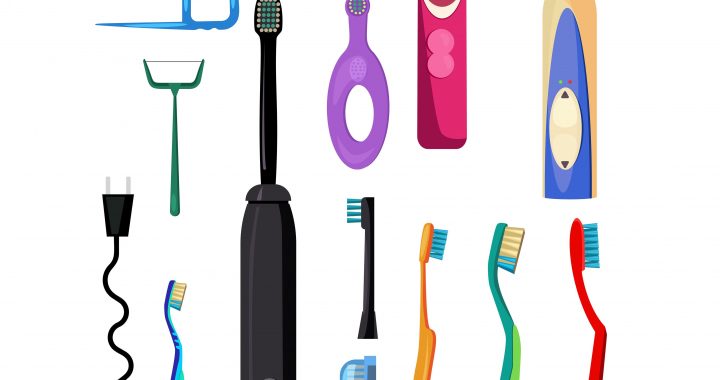
Today we have many options for toothbrushes, all of them an improvement over the technology used by our grandparents. Conventional toothbrushes used today look similar to the brushes of several decades ago, but today’s brushes have softer bristles. This greatly reduces wear on the enamel, so the teeth do not wear away over time. Other options today include various electric toothbrushes.
Dental Clinic Bossley Park – Types of Toothbrush.
Conventional, manual, toothbrushes work the same way as they always did – we clean the teeth by the physical action of moving the brush. But the soft bristles reduce wear. And the materials used to make the toothbrush can be more environmentally friendly. For example, Recyclable plastic or bamboo can be used to make the brush handle.
Electric Toothbrushes – Dental Clinic Bossley Park
The first electric toothbrushes appeared in the late 1950s. These literally had to be plugged into the wall for electrical power. Such limitations meant they could not be easily used in countries where bathrooms power sockets were illegal. An even in countries where they could be used they were bulky, heavy and awkward.
Some electric toothbrushes of the 1970s seemed rather gimmicky. They vibrated, but did little else. The user still had to physically move the brush back and forth across the teeth to actually do any cleaning. But by the 1990s electric toothbrushes had moving heads, which means they cleaned quickly and efficiently when simply moved across the teeth.
Electric toothbrushes clean at least as well as conventional toothbrushes, but require far less effort. This makes them ideal for children, who also enjoy the novelty factor of an electric brush, and for people who have limited use of their hands. As long as we reach all the teeth the toothbrushes will clean the entire mouth.
Sonic Toothbrushes – Dental Clinic Bossley Park
Different electric toothbrushes will oscillate at different speeds, depending on the model and manufacture. Some models offer a choice of speeds. Faster speed toothbrushes in the 20 to 20000 oscillation range are called sonic toothbrushes. Faster speeds may mean faster or slightly better cleaning, but otherwise the principle is the same.
Ultrasonic Toothbrushes – Dental Clinic Bossley Park
Ultrasonic toothbrushes are electric toothbrushes that work on a different principle. They vibrate at a very high speed, between 1 and 3 million times per second. This high-speed vibration quickly destroys bacteria and plaque. This works even when the toothbrush is not quit touching the area being cleaned. So the space between the teeth will be cleaned by the ultrasonic vibration when we use the toothbrush to clean the front and back of each tooth. The ultrasonic vibration should also help fight bacteria under the gumline.
We recommend either flossing or use of a Waterpik after using an electric toothbrush.
Dental Clinic Bossley Park
Daily brushing goes along way towards optimal dental health. Visit the dentist twice per year for a check-up.
Information Disclaimer The content of this article is meant for informational purposes only and should not be considered a source of professional advice, recommendations, or endorsements. It is not a substitute for seeking expert guidance or making well-informed decisions based on individual circumstances. Although we strive for accuracy and reliability, we cannot guarantee the information's completeness or suitability for all situations. Readers are urged to verify facts, consult experts, and consider their own context before taking actions or decisions based on this content. No warranties, explicit or implied, are provided regarding the accuracy, timeliness, or completeness of the presented information. Relying on this information is at the reader's own discretion and risk. We encourage readers to consult relevant professionals or experts for advice tailored to their specific needs. Neither the author, publisher, nor any affiliated parties will be held responsible for errors, omissions, or damages resulting from the use or reliance on the information in this article.
We may not be blessed with naturally perfect teeth; few people are. Quite often people find their teeth are mostly fine, with a few little aspects that could be improved.
One common issue is the shape of the teeth. Some teeth might be a little longer than the others, or they might overlap. Perhaps one tooth is larger than the others. Or perhaps then teeth are very square, and would look better is slightly rounded. These issues might appear minor, but altering a few seemingly minor issue can have a significant effect on our appearance. In some cases it can affect the functioning of the teeth and jaws.
A single tooth is larger or longer than the others.
The teeth suffer pits, bumps or surface imperfections.
The teeth are very square, or too round, or perhaps pointed.
Subtle changes to the teeth might improve the overall look of your smile.
Reshaping Methods – Dentist Homebush West
Tooth contouring is a relatively quick and simple procedure. The actual shaping often just takes a single appointment. The trick it to plan the exact changes need to achieve the desired outcome, and making sure the teeth are in good condition to accommodate those changes.
Tooth enamel can be removed from teeth with a drill, laser, or other tool. This is a subtractive method of tooth reshaping.
A tooth can also be altered in shape by the addition of veneers. This is an additive method, used to increase the size of a tooth. It can also be used to close the gaps between teeth by making each individual tooth slightly wider.
In more extreme cases a tooth can be replaced by an implant, or given a completely new outer case with a crown. But most tooth reshaping is about making a number of minor changes.
Dentist Homebush West
Wonder if you might improve the look of your teeth? Whitening, reshaping and other simple procedures achieve great results.
Information Disclaimer The content of this article is meant for informational purposes only and should not be considered a source of professional advice, recommendations, or endorsements. It is not a substitute for seeking expert guidance or making well-informed decisions based on individual circumstances. Although we strive for accuracy and reliability, we cannot guarantee the information's completeness or suitability for all situations. Readers are urged to verify facts, consult experts, and consider their own context before taking actions or decisions based on this content. No warranties, explicit or implied, are provided regarding the accuracy, timeliness, or completeness of the presented information. Relying on this information is at the reader's own discretion and risk. We encourage readers to consult relevant professionals or experts for advice tailored to their specific needs. Neither the author, publisher, nor any affiliated parties will be held responsible for errors, omissions, or damages resulting from the use or reliance on the information in this article.